


Can Chemistry Impact Brain Disease?
Chemistry Professor Ling Hao discusses chemistry, bioinformatics, and cell biology's role in human neurodegenerative disease research with CCAS Dean Paul Wahlbeck.

A community of
innovative science
Pairing academic rigor with rich research in the nation’s capital
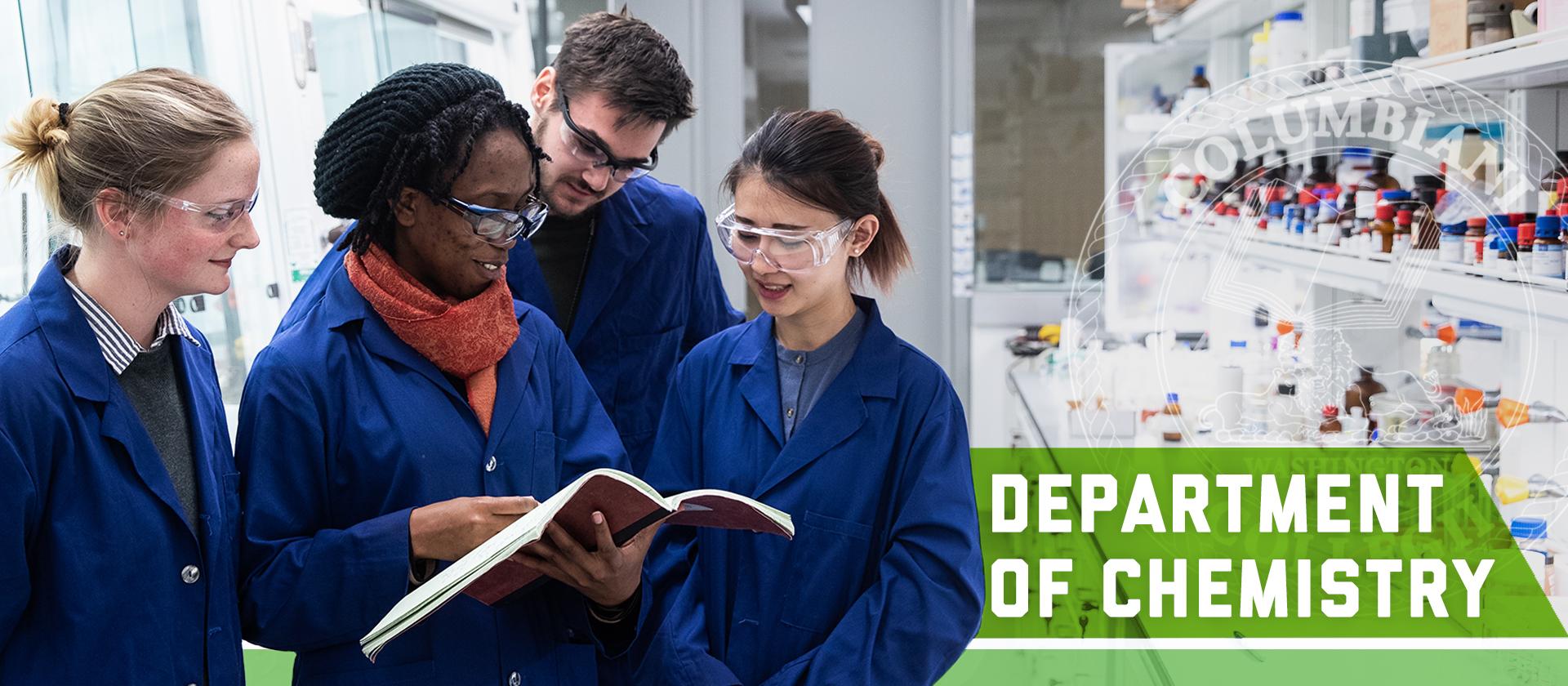
The GW Columbian College's Department of Chemistry provides a hands-on approach to modern laboratory practices and instrumentation supported by curricula in analytical, inorganic, organic and physical chemistry.
In a collaborative environment where faculty invite mentoring relationships and foster learning and discovery through engaged classroom and research experiences, students graduate with the expertise to pursue careers in academia, professional programs, industry and government.

"GW is a great place to be a scientist."
Maggie Teliska
PhD '04
Learn about our majors, minors and American Chemical Society-certified tracks.
Find out why our master’s and PhD opportunities are unlike any other.
From first-year students to PhDs and faculty, explore research options at our renowned facilities.
Can Chemistry Impact Brain Disease?
Chemistry Professor Ling Hao discusses chemistry, bioinformatics, and cell biology's role in human neurodegenerative disease research with CCAS Dean Paul Wahlbeck.
We welcome visiting speakers on Fridays throughout the school year. Hear chemists from top agencies and research universities as well as GW’s own chemistry graduate students discuss their scientific breakthroughs.
